Museo Picasso MálagaMálaga, Spain

Palacio de Buenavista · Calle San Agustín 8

Picasso, hung in the city where he was born

Museo Picasso Málaga skip-the-line — 285 works given by the artist's family, shown in the 16th-century Palacio de Buenavista, ten minutes' walk from the house where Picasso was born in 1881. Timed entry slot, QR e-ticket straight to your inbox.

See ticket options From €21

Pick the date and entry time at checkout

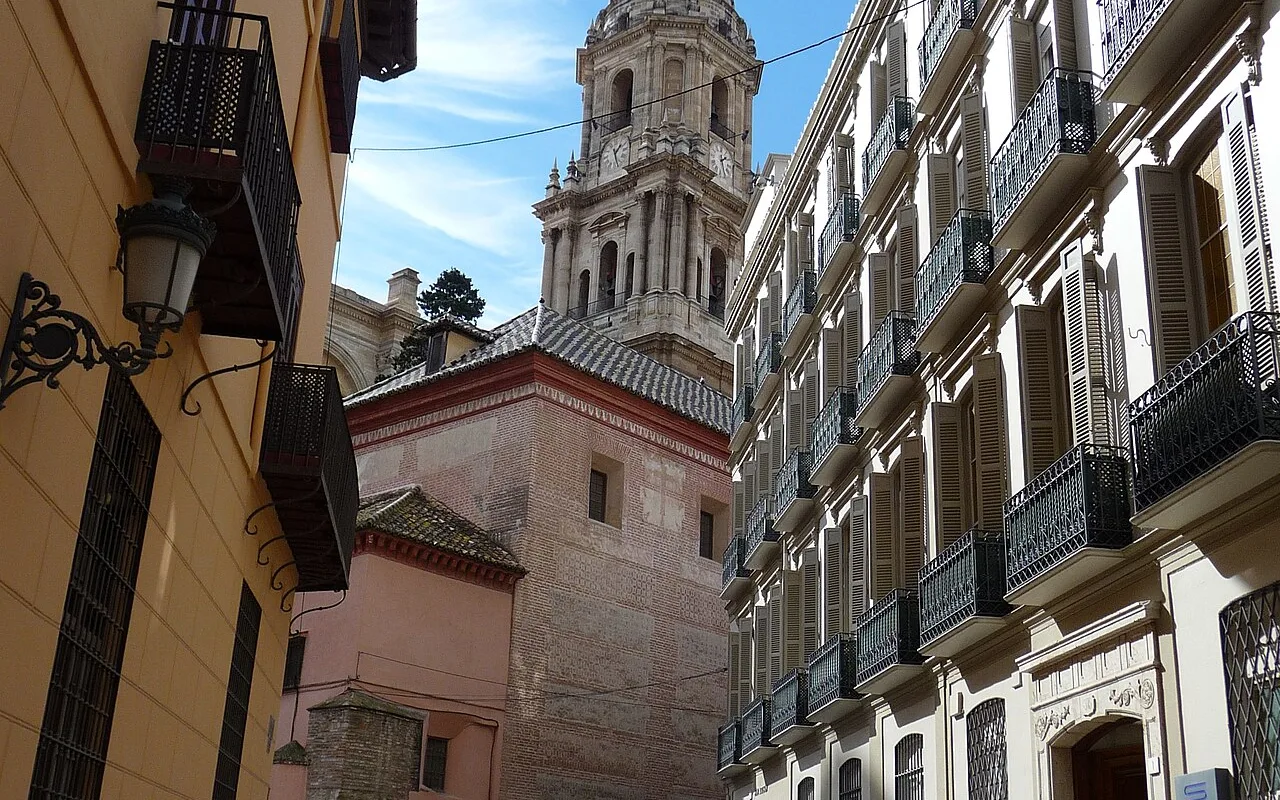
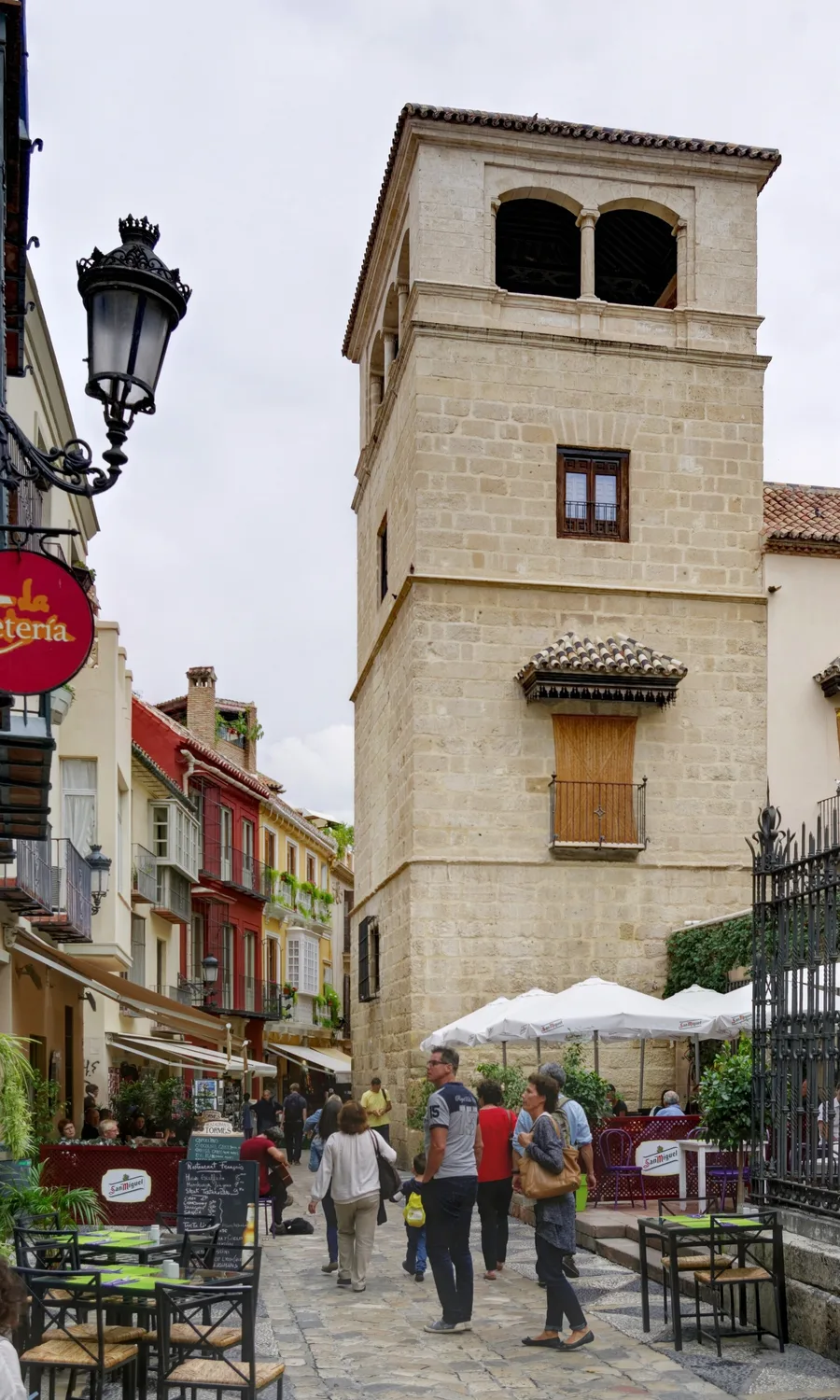
The tower of the Palacio de Buenavista rising over Calle San Agustín in the old town of Málaga
The palace tower over Calle San Agustín
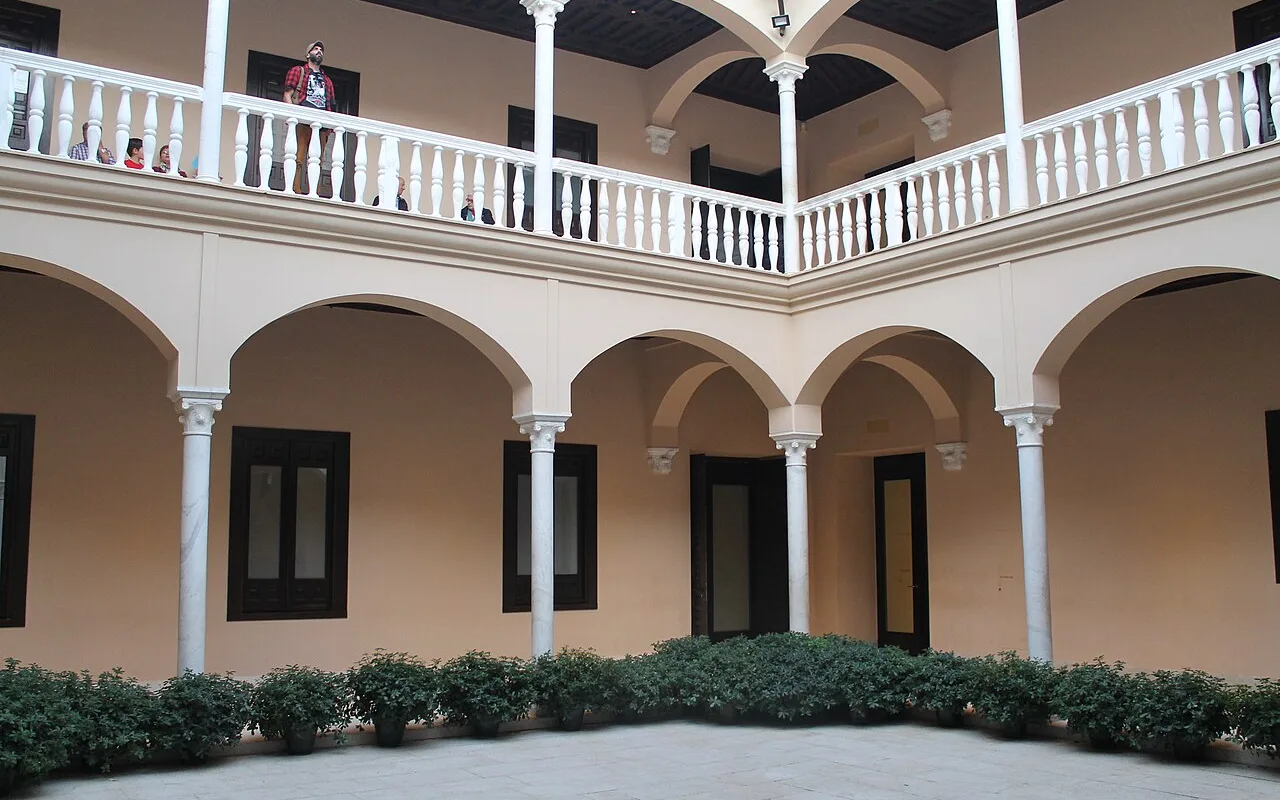
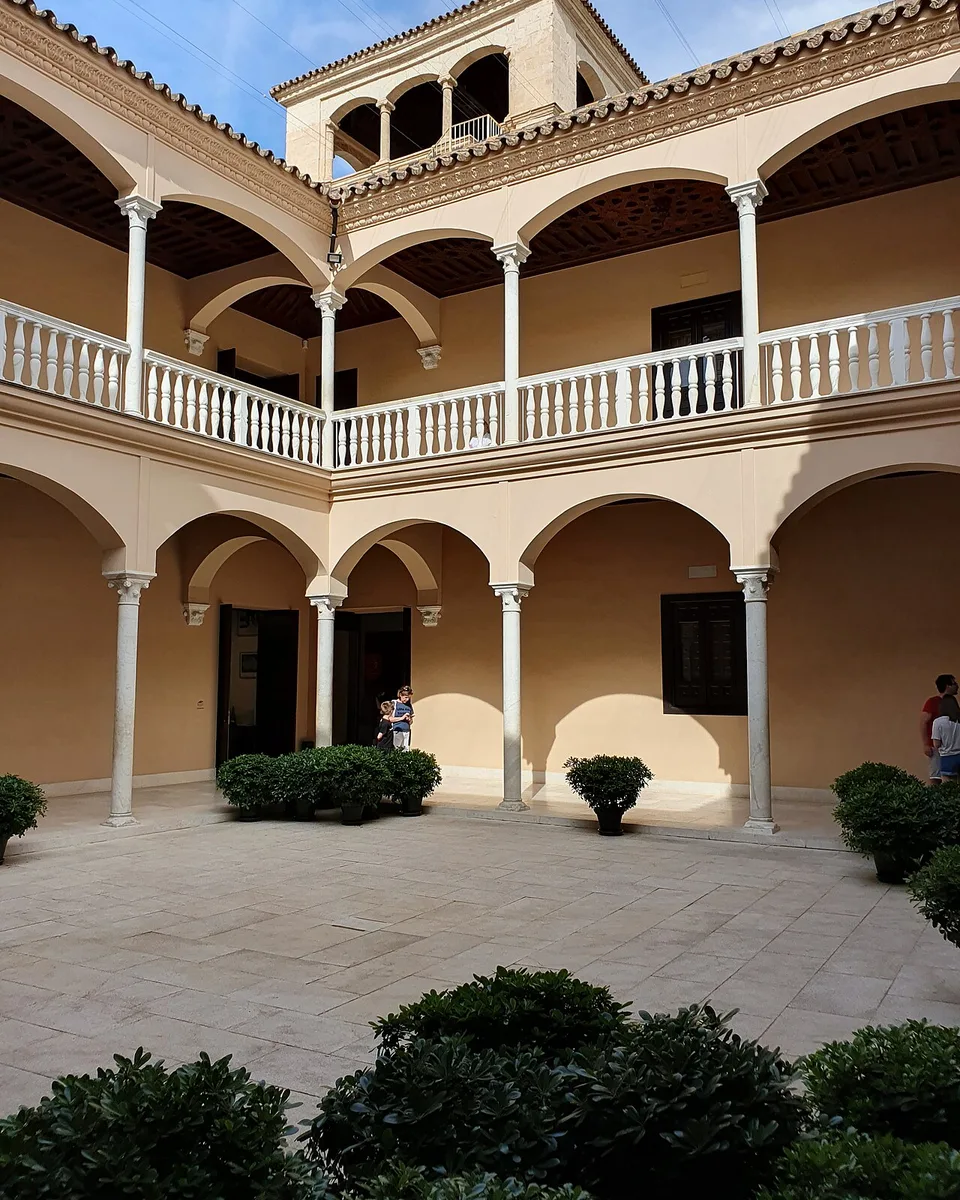
Sunlit Renaissance patio of the Palacio de Buenavista, seen from under the arcade of the Museo Picasso Málaga
The Renaissance courtyard, from the arcade
Calle San Agustín, the pedestrian lane beside the Museo Picasso Málaga, with the cathedral tower beyond
Calle San Agustín, the museum's own lane
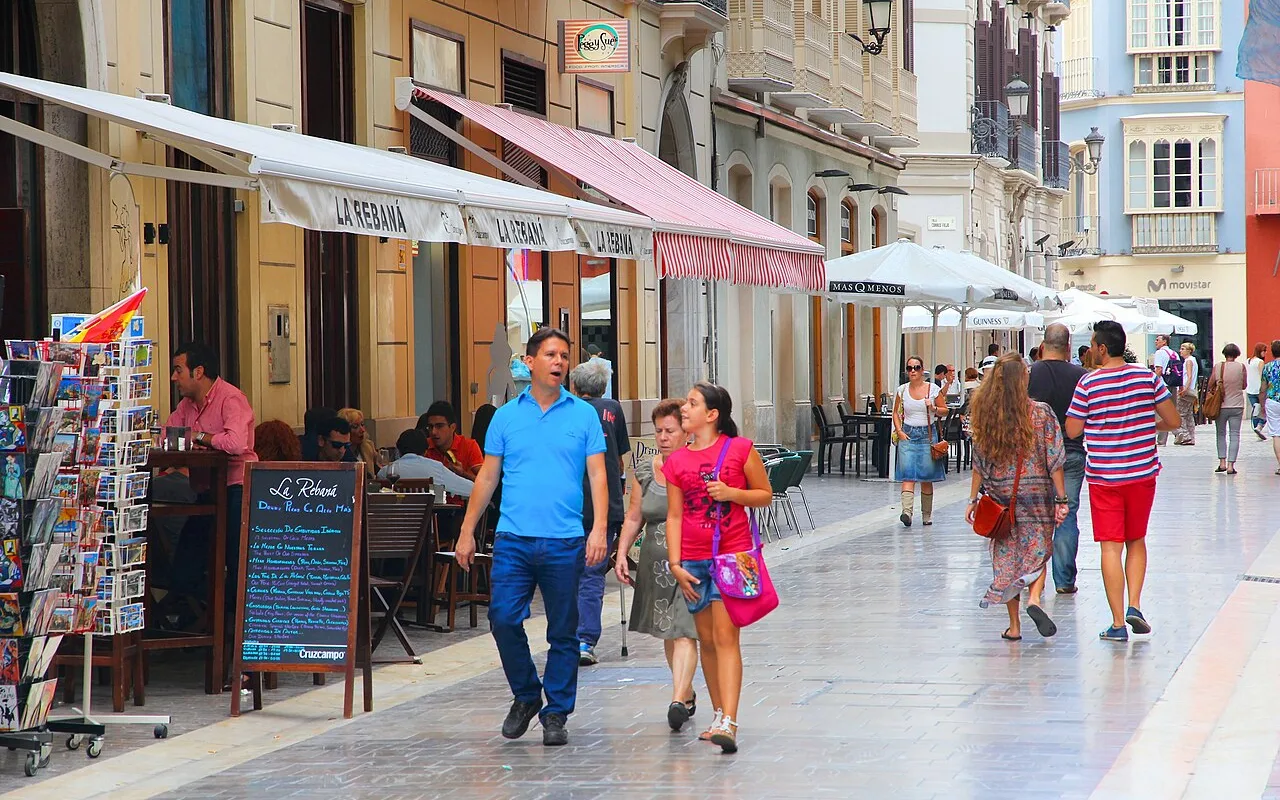
A pedestrian street in the historic centre of Málaga lined with cafés, awnings and shoppers, minutes from the Museo Picasso Málaga
Old-town streets a minute from the door

Catalogue

The numbers behind the palace and its collection

  1. 1881 Picasso born in Málaga — a 10-minute walk from the museum
  2. 285 works Given by Christine & Bernard Ruiz-Picasso, the artist's family
  3. 16th century Palacio de Buenavista — Renaissance palace with Mudéjar ceilings
  4. 2,800 years Phoenician, Roman and Moorish remains beneath the palace

Timed-entry tickets

One admission, two reduced fares

The museum rarely sells out — but the ticket-desk queue on Calle San Agustín builds from mid-morning in season. A timed QR e-ticket means a guaranteed slot and a straight walk in.

Most popular

Museum admission

Adults — full museum admission: the permanent collection and current temporary exhibition

€23per person

Hung with this ticket

  • Skip the ticket-desk queue — timed-entry QR e-ticket, guaranteed slot
  • The permanent collection: works given by Picasso's family, hung across the palace galleries
  • The current temporary exhibition on the same visit
  • The Palacio de Buenavista itself — Renaissance courtyard, Mudéjar ceilings and the archaeological remains beneath
  • 5-minute audio history sent before your visit
  • 24/7 concierge in your language — before, during and after your visit
Reserve admission

Reduced — Senior (65+)

Visitors aged 65 or over — bring photo ID showing your age at the door

€21per person

Hung with this ticket

  • Skip the ticket-desk queue — timed-entry QR e-ticket, guaranteed slot
  • Permanent collection plus the current temporary exhibition
  • Valid with photo ID showing you are 65 or over, shown at entry
  • The Palacio de Buenavista, its courtyard and the archaeological basement
  • 5-minute audio history sent before your visit
  • 24/7 concierge in your language — before, during and after your visit
Reserve senior ticket

Reduced — Student (under 26)

Students under 26 — bring a valid student card to the door

€21per person

Hung with this ticket

  • Skip the ticket-desk queue — timed-entry QR e-ticket, guaranteed slot
  • Permanent collection plus the current temporary exhibition
  • Valid with a student card (under 26) shown at entry
  • The Palacio de Buenavista, its courtyard and the archaeological basement
  • 5-minute audio history sent before your visit
  • 24/7 concierge in your language — before, during and after your visit
Reserve student ticket

Under-17s enter free alongside an adult — there is no child ticket to buy. After choosing a fare you pick the day and the entry time at checkout; nothing is chosen on this page.

Below and around the courtyard

The courtyard, and the layers under its floor

  • Two-storey arcaded courtyard of the Palacio de Buenavista with clipped hedges, home of the Museo Picasso Málaga The arcaded courtyard, Palacio de Buenavista
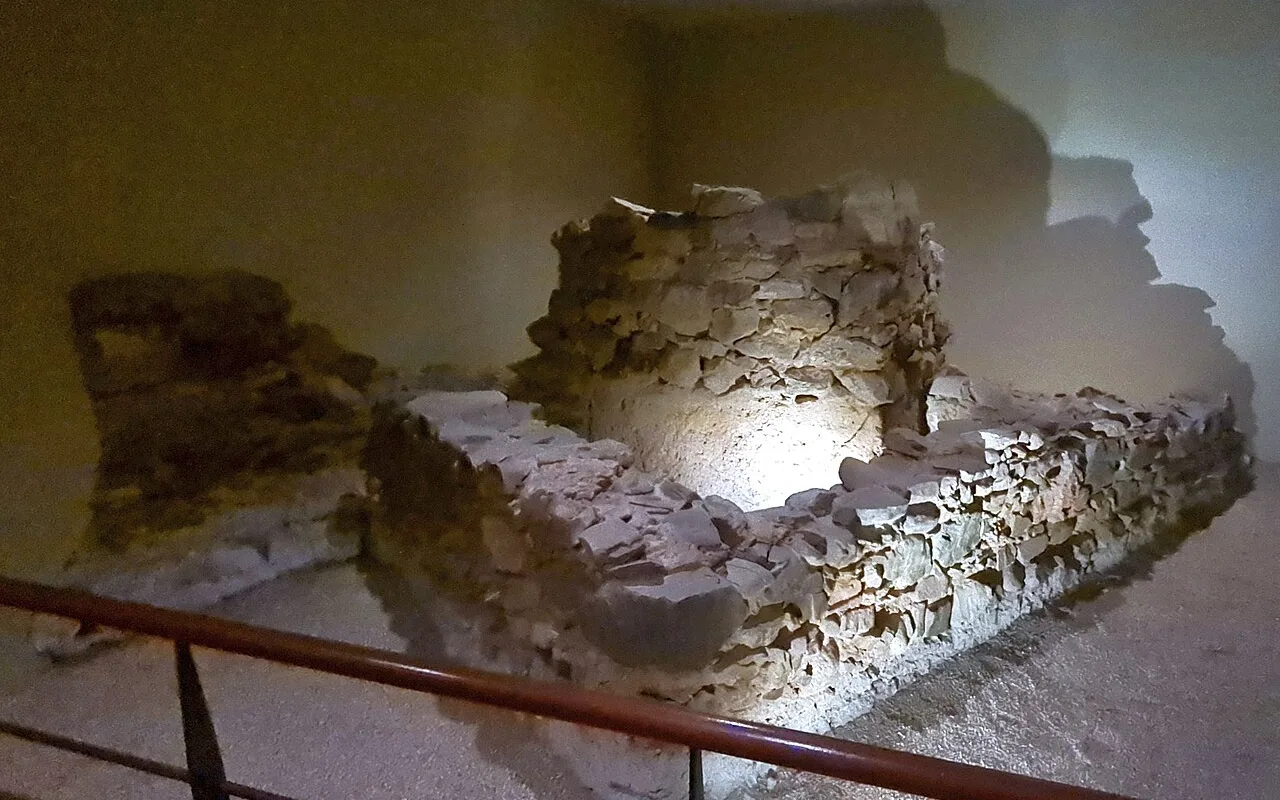
  • Excavated stone wall remains preserved under lights in the archaeological basement beneath the Museo Picasso Málaga Remains preserved in the basement beneath the palace galleries
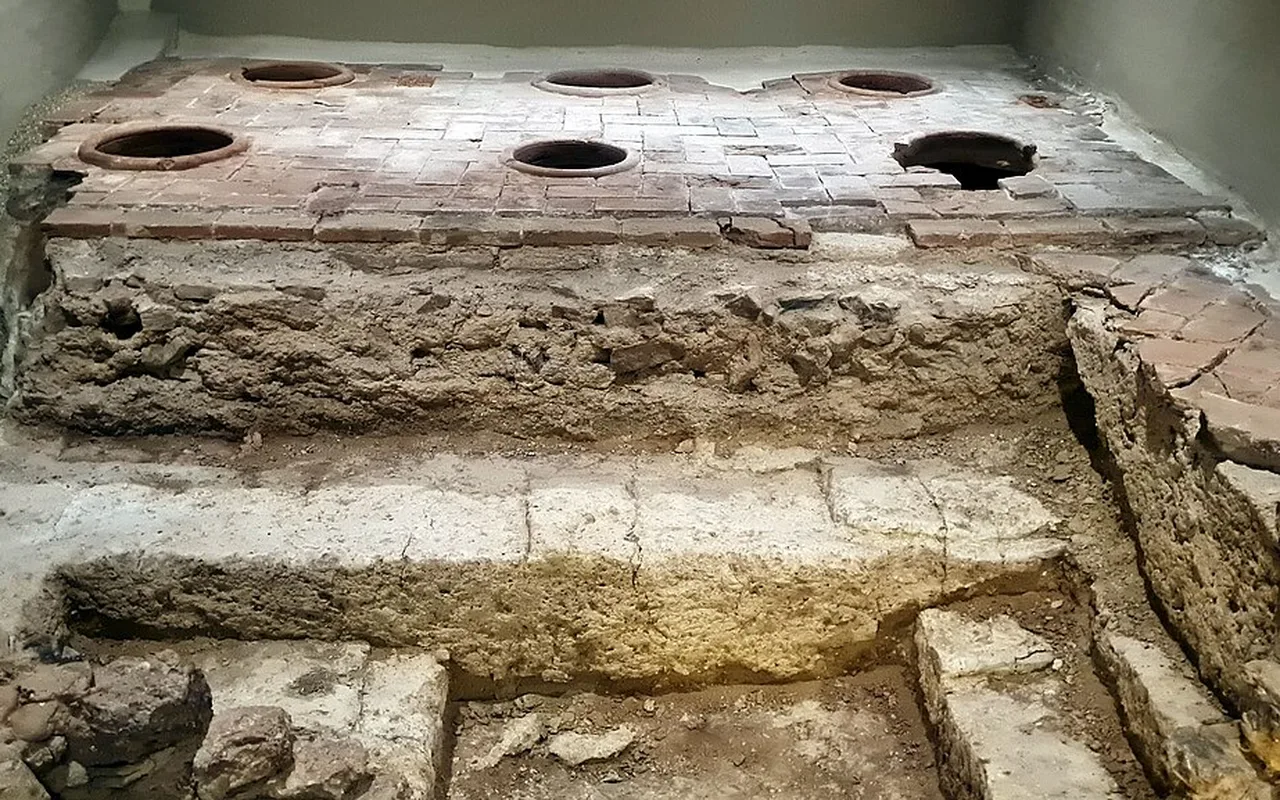
  • Roman salting vats and excavated brick floors preserved in the basement beneath the Museo Picasso Málaga Roman salting vats under the palace floor
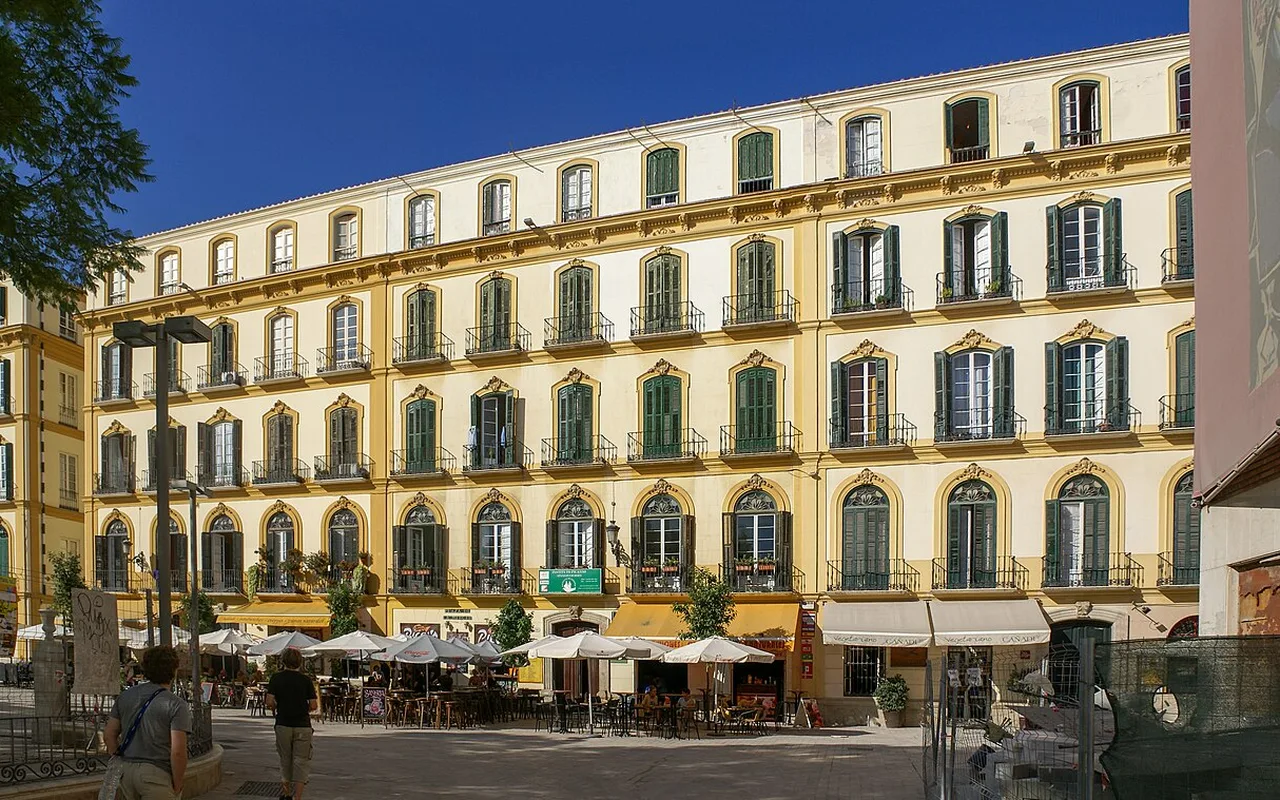
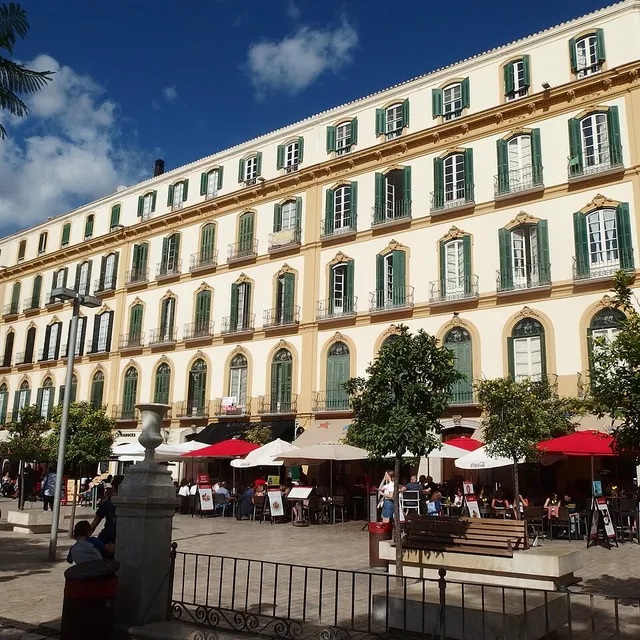
  • A sunlit square in the historic centre of Málaga with café awnings beneath a nineteenth-century façade A square in the historic centre, minutes away

Four sides of the patio

What the concierge brings to the courtyard

  • Book in your own language, pay in your own currencyThe figure on this page is the figure charged, with the concierge margin already inside it
  • Notes for the palace, not just the paintingsThe quiet first hour, the Mudéjar ceilings to look up at, the Phoenician wall in the basement most people walk past
  • Your timed e-ticket arrives before you flyA QR ticket emailed ahead of travel, shown on your phone at the door on Calle San Agustín
  • A person to reach, day or nightHuman help in your own language around the clock, right through to your visit day

Beneath the galleries

A section cut through the palace floor

The lift goes up to the twentieth century; the stairs go down through the city's oldest layers.

  1. Palacio de BuenavistaSixteenth-century palace: Renaissance courtyard, Mudéjar wooden ceilings
  2. MoorishStructures of the Islamic city, preserved in the basement
  3. RomanIndustrial buildings uncovered during the museum's construction
  4. PhoenicianCity walls, the deepest layer under the palace

2,800 yearsof Málaga under one roof

The setting is a work of art in its own right. The Palacio de Buenavista is a 16th-century palace in the heart of Málaga's old town, built around a Renaissance courtyard and crowned with Mudéjar wooden ceilings — the layered Andalusian style that mixes Castilian and Moorish craft. During the museum's construction, excavation beneath the palace uncovered remains of Phoenician city walls, Roman industrial buildings and Moorish structures, now preserved in the basement — so a single visit descends through 2,800 years of Málaga before climbing to the 20th century upstairs.

Picasso's Málaga

Born ten minutes from the museum door

The whole circuit fits inside a morning on foot.

Pablo Ruiz Picasso was born in Málaga on 25 October 1881, in a house on the Plaza de la Merced, and spent the first ten years of his life in the city. The Museo Picasso Málaga, opened in 2003, is the museum that returns his work to his birthplace: a founding gift from Christine Ruiz-Picasso — the widow of the artist's eldest son Paul — and his grandson Bernard Ruiz-Picasso formed its first collection, spanning eight decades of the artist's career from early academic studies to late paintings. Through later donations and acquisitions, the permanent collection has grown to more than 230 works.

In the pedestrian heart of the old town — 3 minutes from the cathedral, 5 minutes from Plaza de la Merced and the Casa Natal where Picasso was born, 10 minutes from the Alcazaba and Roman theatre.

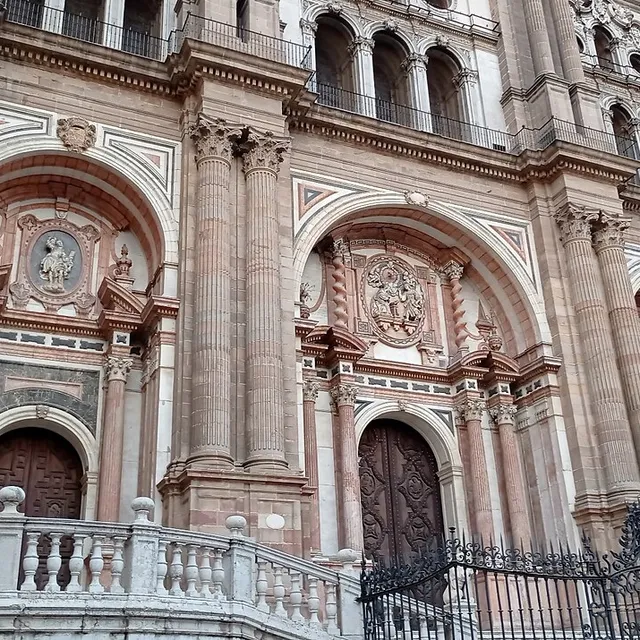
  1. Main façade of Málaga cathedral, three minutes on foot from the museum 3min The cathedral
  2. The yellow façade of the Casa Natal, the house on Plaza de la Merced where Picasso was born in 1881 5min Casa Natal on Plaza de la Merced
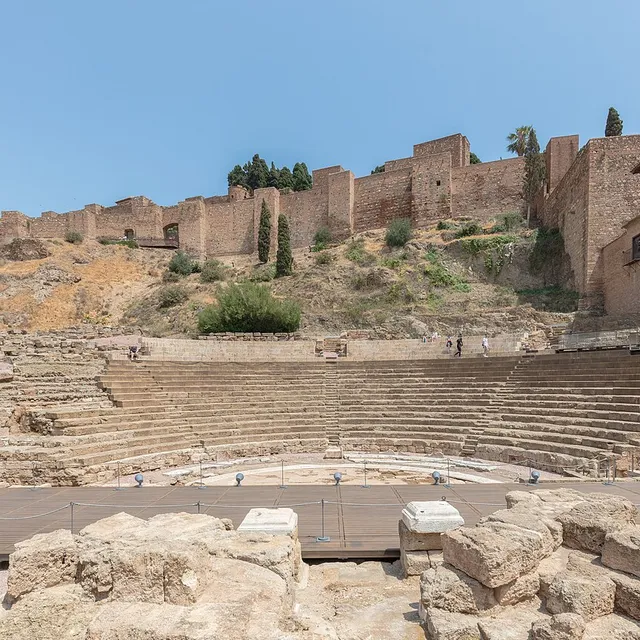
  3. The Roman theatre of Málaga with the walls of the Alcazaba climbing the hill above it 10min Alcazaba and Roman theatre

The collection

Chosen by the family to show a whole working life

Across the spread

  • Paintings, drawings, sculpture and ceramics, not a single medium
  • From the student years to the prolific final decade
  • Calm, human-scaled galleries, with major loans arriving each season

Why Málaga rather than Barcelona or Paris

Unlike the Picasso museums of Barcelona and Paris, the Málaga collection was chosen by the artist's own family to show the range of a whole working life — paintings, drawings, sculpture and ceramics, from his student years to the prolific final decade. The galleries are calm and human-scaled, the temporary exhibitions bring major loans each season, and the whole museum sits a ten-minute walk from both the cathedral and the house where Picasso was born.

One admission covers the permanent collection and the current temporary exhibition on the same visit.

Sent the day before you visit

Your Museo Picasso Málaga 5-minute guide

Hand-written, narrated by a heritage host, sent to every customer the day before their visit. Five minutes that turns a gallery visit into a homecoming — the boy from the Plaza de la Merced, the family who gave the collection, and the 2,800 years of city under the palace floor.

Included free with every ticket. No app, no download — plays in any browser.

Cut into the plinth base

  • Why Picasso's family brought 285 works home to Málaga in 2003
  • The Palacio de Buenavista — Renaissance palace, Mudéjar ceilings
  • Doves and bulls: the Málaga childhood hidden across eight decades of art
  • The Phoenician walls in the basement — what to look for and why they're there

The visit sheet

Hours, address and the practical lines

Hours and timing

Opening hours
Open daily, including Mondays, from 10:00. Closing is seasonal — 18:00 (Nov–Feb), 19:00 (Mar–Jun and Sep–Oct) and 20:00 (Jul–Aug); last admission shortly before close. The museum closes on 1 and 6 January and 25 December, and opens with reduced hours on 24, 31 December and 5 January. We confirm current hours with your booking.
Time needed
Allow 1.5–2 hours for the permanent collection and the palace, plus 30–45 minutes for the temporary exhibition. The archaeological basement adds another 15 minutes.

Where the palace stands

Address
Museo Picasso Málaga, Palacio de Buenavista, Calle San Agustín 8, 29015 Málaga, Spain
Getting there on foot
In the pedestrian heart of the old town — 3 minutes from the cathedral, 5 minutes from Plaza de la Merced and the Casa Natal where Picasso was born, 10 minutes from the Alcazaba and Roman theatre.

Reaching the old town

Getting there from the station
≈20 minutes on foot from María Zambrano station, or a short taxi ride. From the airport, train line C1 to Centro-Alameda then a 10-minute walk.
Getting there from the Costa del Sol
Frequent trains and buses from Torremolinos, Fuengirola and Marbella reach central Málaga; the museum is a short walk from the centre.

Inside the galleries

Accessibility
The museum is well adapted: level access, lifts to the gallery floors and accessible toilets. Some historic floor surfaces are uneven in places. Contact us before booking if mobility is a concern.
Photography
Permitted in the permanent collection without flash, tripod or selfie-stick; photography is generally not allowed in the temporary exhibitions. Check the signage in each gallery.
Food
The museum café opens onto the palace courtyard, and Calle San Agustín and the surrounding old town are lined with tapas bars and restaurants.

Longer reads

Wall labels for the longer story

Five guides written for this museum and its city, each hung as a label on the rail.

  1. 3 min read

    The Best Time to Visit the Museo Picasso Málaga

    The quietest slots, the cruise-day rhythm, the free Sunday hours explained honestly, and the seasons that suit Málaga's old town.

    The Daily Rhythm: Slots, Groups and Cruise Days · The Free Sunday Hours — An Honest Reckoning · Season by Season in Málaga

    Read the label →
  2. 3 min read

    Picasso's Málaga: Birthplace, Museum and the Old-Town Circuit

    How to pair the Casa Natal on Plaza de la Merced with the Museo Picasso Málaga — and the ten-minute-radius old town around them.

    The Casa Natal: Where It Began · The Museum: Where the Work Came Home · The Ten-Minute Radius: Building the Full Day

    Read the label →
  3. 3 min read

    Museo Picasso Málaga vs Barcelona vs Paris: Which Picasso Museum?

    Three major Picasso museums, three different collections — what each one holds, and why Málaga is the birthplace museum.

    What Each Museum Actually Holds · Which One Suits Your Trip?

    Read the label →
  4. 6 min read

    What to See at the Museo Picasso Málaga

    The career-spanning collection, the ceramics, the Renaissance palace and the Phoenician–Roman city preserved in its basement.

    A Whole Career, Not a Single Period · Every Medium Picasso Worked In · The Palacio de Buenavista Itself · The City Beneath the Floor · The Temporary Exhibition Programme

    Read the label →
  5. 6 min read

    Málaga's Old Town Around the Picasso Museum: A Walkable Day

    Casa Natal, the Alcazaba and Roman theatre, the cathedral, the Centre Pompidou and Calle Larios — a compact Picasso-centred circuit.

    Casa Natal: Where Picasso Began · The Alcazaba and the Roman Theatre · The Cathedral — La Manquita · Centre Pompidou and the Port · Calle Larios and a Walkable Day

    Read the label →

Questions

Asked at the rope, answered here

Tickets and who pays what

What's included in the combined ticket?

Timed entry to the full museum: the permanent collection given by Picasso's family, the current temporary exhibition, the Palacio de Buenavista itself with its Renaissance courtyard and Mudéjar ceilings, and the Phoenician, Roman and Moorish archaeological remains in the basement.

Is the ticket for a specific time slot?

Yes. The Museo Picasso Málaga uses timed entry — you choose a date and entry slot, and we secure it for you. Your QR e-ticket admits you at that time, past the ticket-desk queue. Once inside, you can stay as long as you like during opening hours.

Do children need a ticket?

No — visitors under 18 enter the museum free. We don't sell a child ticket, and we'll never charge you for one: just bring ID for your under-18s and they walk in with you on your timed slot.

Who qualifies for the reduced ticket?

Visitors aged 65 and over, and students under 26 (including European Youth Card holders) with a valid card. Bring photo ID or your student card to the door — the museum checks eligibility at entry. If you're not sure your document qualifies, ask our concierge team before booking.

Is the museum ever free to enter?

Yes — the museum opens free of charge for the last two hours every Sunday. We'll be straight with you: if a free Sunday evening suits your plans, take it. The trade-off is that those hours are the most crowded of the week and entry is first-come, first-served, so most visitors with limited days in Málaga prefer a guaranteed weekday or morning slot.

Can we change the date or time?

Plans change — reply to your confirmation email as soon as you know, and our concierge team will work with the museum's booking system to move your slot where availability allows. The earlier you tell us, the more options we'll have.

Is the Museo Picasso Málaga ticket for a fixed time slot?

Yes — entry is by timed slot. Your QR e-ticket admits you at the chosen time, and once inside you can stay as long as you like during opening hours. We secure your preferred slot when you book.

Do children pay at the Museo Picasso Málaga?

No — under-18s enter free. We do not sell a child ticket and will never charge for one. Bring ID for your under-18s; they enter with you on your timed slot.

Is there really free entry on Sundays?

Yes — the museum opens free for its last two hours every Sunday, first-come, first-served. Those hours are the busiest of the week, so visitors with limited days usually prefer a guaranteed slot, but if a free Sunday evening suits you, it's a genuine option.

Planning the morning

How long does a visit take?

Allow 1.5 to 2 hours for the permanent collection and the palace, plus 30–45 minutes if your ticket includes the temporary exhibition, and about 15 minutes for the archaeological basement. Most visitors spend around two hours in total.

Is the museum open on Mondays?

Yes — the Museo Picasso Málaga opens daily, including Mondays, unlike many Spanish museums. It opens at 10:00 year-round and closes at 18:00 in winter, 19:00 in spring and autumn and 20:00 in July and August; it closes on 1 and 6 January and 25 December. We confirm the current schedule with your booking.

When is the museum quietest?

First thing at opening, and the last full-price hours of the afternoon. Mid-morning to mid-afternoon is busiest, especially on cruise-ship days when groups arrive from the port, and the free Sunday evening hours are the most crowded of the week. A timed slot at opening is the calmest way to see the collection.

How do I get there?

The museum is at Calle San Agustín 8, in the pedestrian old town — 3 minutes' walk from the cathedral and 10 from the Alcazaba. From María Zambrano station it's a 20-minute walk or short taxi; from the airport, take the C1 train to Centro-Alameda and walk 10 minutes.

Is the museum wheelchair accessible?

Yes, well so for a historic building — there is level access, lifts serve the gallery floors, and accessible toilets are provided. Some historic floors are uneven in places. If mobility is a concern, contact us before booking and we'll confirm the current arrangements with the museum.

Is photography allowed?

In the permanent collection, yes — without flash, tripod or selfie-stick. Photography is generally not allowed in the temporary exhibitions, so check the signage in each gallery.

How long do you need at the Museo Picasso Málaga?

Allow about two hours for a full visit to the Museo Picasso Málaga. The permanent collection and the Palacio de Buenavista itself take roughly 1.5 to 2 hours at an unhurried pace, walking the career in order through the palace rooms. If your ticket includes the current temporary exhibition, add 30 to 45 minutes, since these shows are substantial and often bring major loans. The archaeological basement, with its Phoenician, Roman and Moorish remains, adds about 15 minutes. Enthusiasts and photographers who linger over the ceramics, the late paintings and the courtyard could happily spend longer, while visitors on a tight itinerary can see the highlights of the permanent collection in around an hour. Because entry is by timed slot rather than timed exit, there is no rush once you are inside: you may stay as long as you like within opening hours, so plan for two hours and stretch it if the collection holds you.

When is the best time to visit the Museo Picasso Málaga?

The best time to visit the Museo Picasso Málaga is the first slot of the morning, when the galleries are calmest. The museum fills from mid-morning as walking tours and cruise groups arrive from the port and stays busy until late afternoon, so the last full-price hours before closing are the next-quietest window. Sundays are the exception to avoid for calm, since the free final two hours draw the biggest crowds of the week. By season, spring and autumn are ideal for combining the museum with the old town on foot, while July and August afternoons are best spent in the air-conditioned galleries as a break from the heat. The museum opens daily, including Mondays, which is useful because several other Málaga sights close that day, from 10:00 until between 18:00 in winter and 20:00 in high summer. Book an opening slot for the calmest experience.

Can I visit Picasso's birthplace on the same day?

Easily — the Casa Natal de Picasso on Plaza de la Merced is about five minutes' walk away. It's a separate, city-run museum with its own ticket. Birthplace first, then the art museum, is the natural order.

Is the museum open on Mondays and holidays?

It opens daily including Mondays, with seasonal hours. It closes on 1 and 6 January and 25 December, and opens with reduced hours on 24, 31 December and 5 January. We confirm the current schedule with your booking.

The palace and the collection

Is this the same as the Picasso Museum in Barcelona or Paris?

No — there are three major Picasso museums in Europe, and this is the one in Málaga, the city where Picasso was born in 1881. The Museo Picasso Málaga holds the collection given by the artist's family and sits in the Palacio de Buenavista, ten minutes' walk from his birthplace. Barcelona's museum focuses on his formative years; Paris's on the artist's own estate.

What is actually in the collection?

A founding gift from Christine and Bernard Ruiz-Picasso — the widow of Picasso's eldest son and the artist's grandson — formed the first collection, since grown through further donations and acquisitions to more than 230 works. It spans from his early academic studies in the 1890s to paintings from his final years, and includes paintings, drawings, sculpture and ceramics, chosen to show the whole arc of his career.

What's in the basement?

During the museum's construction, excavations under the Palacio de Buenavista uncovered remains of Phoenician city walls from Málaga's foundation, Roman industrial structures, and traces of the Moorish city. They are preserved in the basement and included in your visit — three civilisations beneath a Renaissance palace.

Can I also visit the house where Picasso was born?

Yes — the Casa Natal de Picasso on Plaza de la Merced, where the artist was born on 25 October 1881, is a separate, city-run museum about five minutes' walk away. It's a natural pairing: the birthplace first for the family story, then the Museo Picasso Málaga for the art. Tickets for the Casa Natal are sold separately by the city.

What is the Museo Picasso Málaga?

The Museo Picasso Málaga is an art museum in Málaga, in the Andalusia region of southern Spain, devoted to the work of Pablo Picasso in the city where he was born in 1881. It opened in 2003 inside the Palacio de Buenavista, a 16th-century Renaissance palace with Mudéjar wooden ceilings in the old town. Its founding collection of 285 works was given by the artist's family — Christine Ruiz-Picasso, the widow of his eldest son, and Bernard Ruiz-Picasso, his grandson — and has since grown through later donations. The holdings span Picasso's whole career, from early academic studies to late paintings, and include drawings, sculpture and ceramics. It is notable as one of three major Picasso museums in Europe and the only one rooted in his birthplace; excavations beneath the palace also revealed Phoenician, Roman and Moorish remains, now displayed in the basement.

How do I get to the Museo Picasso Málaga?

The Museo Picasso Málaga stands at Calle San Agustín 8, in the pedestrian heart of Málaga's old town in southern Spain. Because the centre is compact, most visitors arrive on foot: the museum is about three minutes' walk from Málaga Cathedral, five minutes from the Plaza de la Merced where Picasso was born, and around ten minutes from the Alcazaba and Roman theatre. From María Zambrano, the city's main railway station served by high-speed trains from Madrid, Seville and Córdoba, it is roughly a 20-minute walk or a short taxi ride. From Málaga Airport (AGP), the C1 suburban train reaches the Centro-Alameda stop in about 12 minutes, leaving a 10-minute walk to the museum. Drivers should use car parks near the port, Plaza de la Marina or the Alcazaba, since the old town itself is largely closed to traffic.

What is there to see at the Museo Picasso Málaga?

The Museo Picasso Málaga shows a permanent collection that spans Picasso's whole career in paintings, drawings, sculpture and ceramics, from early academic studies through Cubism to the late works of his final years. Because his family assembled the founding gift, it is rich in personal works: portraits of his wives and children, studies behind the famous paintings, and the bullfight and dove motifs that trace back to his Málaga childhood. The ceramics from the potteries of southern France are a highlight, and a temporary-exhibition programme brings major loans and thematic shows through the year. The setting is part of the visit: the Palacio de Buenavista, a 16th-century Renaissance palace with a columned courtyard and Mudéjar ceilings. Beneath it, preserved in the basement, are Phoenician city walls, a Roman garum factory and Nasrid remains, so a single visit descends through 2,800 years of Málaga before reaching Picasso upstairs.

Is the Museo Picasso Málaga worth visiting?

Yes. The Museo Picasso Málaga is the one Picasso museum rooted in the artist's own biography, set in the city where he was born in 1881 and minutes from his birthplace on the Plaza de la Merced. Because the founding collection was given by his family, it reads like a personal album spanning his whole career, from early academic studies through Cubism to his late paintings, in works you rarely see reproduced. The 16th-century Palacio de Buenavista is a destination in itself, with its Renaissance courtyard and Mudéjar ceilings, and the Phoenician, Roman and Moorish remains preserved beneath it add 2,800 years of Málaga to the visit. The galleries are calm and human-scaled rather than overwhelming, and the museum anchors a compact old-town circuit that takes in the cathedral, the Roman theatre and the Alcazaba, all within a ten-minute walk. Two hours here reward almost any traveller.

How is this different from the Picasso Museum in Barcelona?

Barcelona's museum is strongest on Picasso's formative years; Málaga's family-given collection spans his whole career, from the 1890s to his final decade, in the city where he was born. They complement rather than duplicate each other.

What should I not miss?

The late paintings from Picasso's final decade, the ceramics from Vallauris, the Mudéjar ceilings of the palace itself, and the Phoenician and Roman remains in the basement — three cities stacked beneath the museum.
About this booking service

A concierge desk, not the museum's own ticket office

Picasso Málaga Tickets acts as a facilitator to help international visitors purchase timed-entry tickets for the Museo Picasso Málaga, which is managed by its own museum foundation. We are an independent concierge service and are not affiliated with the museum. We do not resell tickets — we provide a personalised booking and support service in your own language. For those who prefer to purchase directly, tickets are sold on the museum's own website, museopicassomalaga.org.

Sources: Museo Picasso Málaga (official site) · Museo Picasso Málaga — Tickets & opening hours · Wikipedia — Museo Picasso Málaga · Fundación Picasso — Casa Natal (birthplace museum) Last reviewed: